Key takeaways
- A body serum is a lightweight leave-on treatment aimed at body-focused concerns—not a heavy occlusive moisturizer.
- Most people still need a lotion or cream after serum to limit water loss, especially in dry air.
- Choose by concern and texture; body skin is often thicker than facial skin, so a face serum is not always the best large-area choice.
- Products with alpha hydroxy acids (AHAs) can increase sun sensitivity—follow the label and sun-care habits.
What does a body serum actually do?
A body serum’s job is to put a thin, spreadable layer of water-binding or treatment ingredients on body skin and let them sit—no rinse. Formulators often build these bases for spreadability and delivery first, and for heavy film or “seal” second. That is why many body serums feel closer to a fluid or gel-lotion than to a butter.
In cosmetic science terms, a leave-on vehicle helps carry function ingredients toward the skin surface or upper layers (the stratum corneum—the outer barrier layer)—not through the skin into the bloodstream. Humectant-type moisturizers are meant to work in the upper epidermis; occlusive materials mainly sit on the surface. A thin body serum usually leans toward the first job. That is also why “serum alone” often feels unfinished on very dry legs: you may have added water-binding agents without enough emollient (softening oils/esters) or occlusive (film that slows evaporation) support.
So the one-sentence answer is: body serum is a treatment step for body skin, not a complete moisturizer system. Use it when you want texture, tone, or targeted actives on a large area—and plan the seal that fits your climate and dryness level.
How is a body serum different from lotion, oil, cream, or butter?
Labels blur. Retail “body serum,” “body essence,” and “treatment lotion” can sit in the same aisle. The useful comparison is role + feel, not marketing:
| Format | Typical feel | Main role | Often enough alone? |
|---|---|---|---|
| Body serum | Light fluid / gel-lotion; fast sink-in | Deliver humectants or other actives; treatment step | Rarely, if skin is dry |
| Lotion | Light emulsion; everyday glide | Daily soft + light moisture | Often, for mild dryness |
| Oil | Slippery; slower absorb | Soften + some occlusion | Sometimes; can feel greasy |
| Cream | Richer emulsion | Stronger moisture hold | Better for dry skin |
| Butter | Dense, rich | Heavy comfort / seal | Best when skin is very dry |
When does a body serum help — and when is moisturizer enough?
A body serum helps when you want more than “legs feel dry after the shower,” for example:
- Rough or dull texture on arms, thighs, or elbows (surface smoothness goals).
- Tone or appearance concerns on large areas (always follow the product’s labeled use; cosmetics are not drug claims).
- You already like face serums and want a body-sized vehicle that spreads without a thick film.
- You plan to layer: serum for actives or humectants, then lotion/cream for comfort.
Moisturizer alone is enough when your main need is comfort and flexibility—seasonal dryness, air conditioning, frequent washing—and a lotion or cream already settles the itch and tightness. The AAD notes that cream or ointment is often a better starting point than lotion when skin is clearly dry. In that case, jumping to a thin serum without a seal can feel like “it disappeared” and left you thirsty again.
Do you need a body serum? Only if a treatment step answers a concern lotion is not covering. It is optional gear, not a mandatory fourth bottle.
Skip or pause aggressive leave-ons (strong acids, high fragrance, new actives) if skin is cracked, stinging, or inflamed—and see a clinician when dryness becomes painful. Pregnancy, prescription topicals, and medical conditions are outside general blog guidance: follow your label and your clinician.
How should you apply a body serum in a routine?
A practical default for most people:
- Shower with a gentle cleanser; pat—don’t scrub dry.
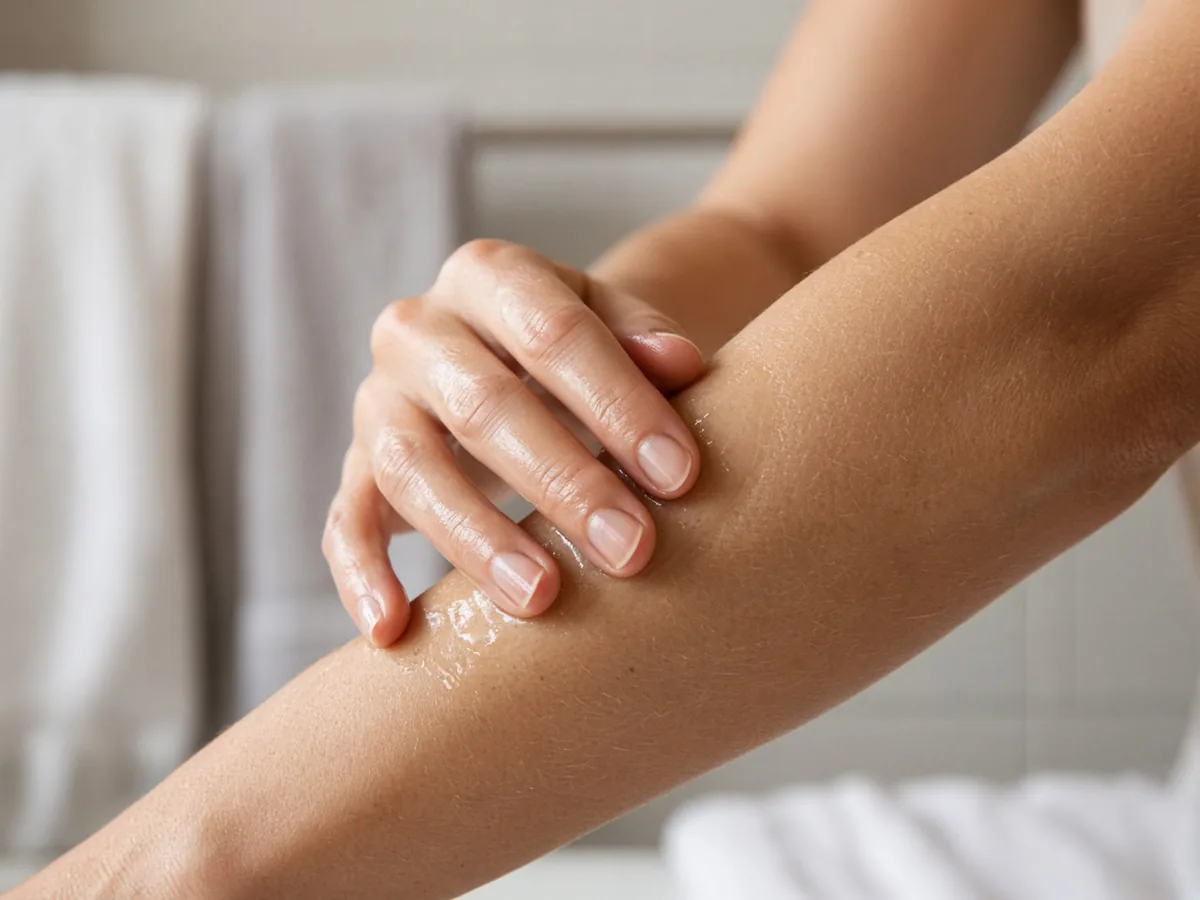
- While skin is still slightly damp, apply body serum in thin layers over the areas you care about.
- Wait a short beat if the formula feels sticky or if the label says to let actives settle.
- Follow with lotion or cream to trap water and finish comfort.
- In the morning, if the product contains AHAs or other photo-sensitizing actives, use sun protection as directed on the label and in your usual outdoor routine.
The American Academy of Dermatology's dry-skin advice puts the timing this way:
“immediately apply your fragrance-free moisturizer” — American Academy of Dermatology
That habit still applies when serum is in the middle: damp skin → serum → seal. Skipping the seal in dry winter air is the most common reason people say “body serum did nothing.”
How often? Start with the label. Many people use a body serum daily on target zones, or a few times a week for stronger exfoliating formulas. If stinging, redness, or peeling shows up, reduce frequency before you add more products.
Which ingredient types show up in body serums?
Families matter more than brand buzzwords. You will often see:
- Humectants — ingredients that attract and hold water in the outer skin layers. Common examples: glycerin, hyaluronic acid / sodium hyaluronate. The Cosmetic Ingredient Review (CIR) safety assessment of hyaluronates discusses these ingredients in the context of cosmetic use as skin-conditioning agents and humectants (read the live PDF for exact panel wording; do not treat a blog paraphrase as a clinical claim).
- Emollients — soft, slip-providing oils and esters that make skin feel smoother. A serum may include a light dose; creams usually include more.
- AHAs (alpha hydroxy acids) — such as glycolic or lactic acid, used for surface exfoliation and smoother-looking texture. The U.S. Food and Drug Administration (FDA) page on alpha hydroxy acids explains the basic mechanism in plain language:
“AHA-containing products cause exfoliation, or shedding of the surface skin.”
The FDA also notes that AHA use can increase UV sensitivity and recommends sun-care habits and attention to labeling (including the sunburn-alert style guidance manufacturers may follow). Treat AHA body serums as treatment products, not as daytime “set and forget” without sun sense. - Niacinamide, vitamin C derivatives, peptides, retinol-style body actives — appear in many retail body treatments. Read the ingredient list for your concern, patch-test if you are reactive, and avoid stacking multiple strong actives on the same night without a plan.
DermNet’s overview of emollients and moisturisers is a useful supporting reminder that everyday moisture care usually combines humectant, emollient, and occlusive ideas—another reason a thin serum is rarely the whole story for dry body skin.
No invented percentages here: use levels belong on the product label and in qualified formulation work, not in a what-is explainer.
Quick checklist before you buy a body serum
Use this as an education list—not a manufacturer sampling form:
- Concern match — texture, tone, dryness comfort, or “I just want a lighter feel”?
- Texture preference — fluid/gel vs lotion-like; will you dislike tack or oil?
- Seal plan — will you follow with lotion/cream in dry weather?
- Actives tolerance — fragrance, AHA, retinol-style ingredients; start slow if unsure.
- Label read — directions, sun notes, “for external use,” and any warnings.
- Body vs face — large-area body formulas are built to spread; a tiny face dropper may be impractical (and not always ideal) for legs.
- Cluster context — if you are still choosing oil vs lotion vs cream weight, skim the linked format posts above before adding a serum.
FAQ
Can I use a face serum on my body?
Sometimes for a small spot, but face serums are usually priced and packaged for small areas. Body serums are designed to cover more skin. Face formulas may also feel wrong (too sticky, too rich, or too strong) when spread over large zones.
Can body serum replace lotion?
Usually no if you are dry. Serum treats; lotion/cream seals and softens. Very humid climates or naturally oily skin may tolerate serum-only on some days—listen to tightness and flaking.
Is body oil the same as body serum?
No. Oils are typically lipid-first; serums are often water-based or light emulsions with more humectant/active emphasis. See body oil vs lotion for the oil side of the ladder.
How often should I use it?
Follow the label. Daily is common for gentle hydrating serums; stronger AHA formulas may be fewer nights per week at first.
What if I have sensitive skin?
Choose fragrance-light options, patch-test, and avoid stacking acids. If skin is reactive or broken, prioritize repair-style moisturizers and clinical advice over new treatments.