Quick Answer
Choose a salicylic acid product for blackheads in a strength and vehicle (wash versus leave-on format) you can use without stripping the barrier. U.S. over-the-counter acne labeling recognizes salicylic acid among active ingredients in defined concentration ranges.
MedlinePlus states:
“help clear and prevent pimples and skin blemishes” — MedlinePlus
Dermatology education pages discuss salicylic acid for helping clear blackheads because it is oil-soluble and can move into a pore better than many water-only fruit acids.
- Start once daily or every other night if you are new to leave-on acids.
- Use sunscreen by day; exfoliating acids increase sun sensitivity.
- Do not dig at pores with needles, pins, or sharp tools at home.
- See a clinician for painful cysts, scarring, sudden widespread breakouts, or no improvement after steady use.
The realistic goal is gradually clearer openings and fewer rough plugs, not permanently smaller anatomy. This page summarizes public educational sources. It is not an exam and it is not a diagnosis.
What Are Blackheads?
Blackheads are open comedones: pores filled with oil and shed cells that darken at the surface when exposed to air. They are not dirt you can scrub out in one session, and the dark color is not a stain you bleach with a harsh wash.
Salicylic acid is a beta hydroxy acid (BHA)—an oil-soluble exfoliating acid. That oil solubility is why it is often chosen for this pattern compared with glycolic acid alone. Glycolic acid still has texture uses, but it is not the first molecule most education pages highlight for oil-filled pores.
Closed comedones, inflamed papules, nodules, and cysts are related acne patterns with different urgency. A blackhead leave-on is the wrong sole plan for deep, painful lesions that scar.
On the nose and chin, blackheads often return because oil production and shed cells continue. That is why maintenance schedules exist. Clearing a plug once without a leave-on plan is how the same photo problem reappears in two weeks.
When Acne Needs Medical Attention
Over-the-counter salicylic acid is for mild congestion for many people. Escalate care instead of stacking more acids if you notice:
- Nodules or cysts that hurt under the skin.
- Scarring, pits, or dark marks that keep expanding after picking.
- Significant pain, swelling, or acne that fails months of consistent labeled OTC care.
- Breakouts with fever, rapid spread, or other systemic symptoms that do not fit ordinary comedones.
Early prescription plans can prevent scars. Waiting while you “finish the bottle” is a costly delay when lesions are already cystic. This page summarizes public educational sources. It is not an exam and it is not a diagnosis.
Why Blackheads Form
Oil and shed cells in the pore
Sticky debris stretches the opening and oxidizes at the top. Hormones, genetics, and how quickly your skin sheds all influence how often that mix returns. A product can keep the opening clearer. It cannot rewrite your pore size.
Occlusive routines on an oily T-zone
Heavy balms, rich night creams, and leftover sunscreen on the nose and chin can worsen congestion for some people. That does not mean every moisturizer is the enemy. It means the weight should match the zone.
Picking and harsh tools
Fingers and metal tools enlarge, inflame, and sometimes infect the opening. The pore then looks worse even if you “got something out.” Home extraction is a common reason blackhead routines fail in photos even when the chemistry was reasonable.
Inconsistent use
Comedones form over time. Using a leave-on for three nights, quitting, then scrubbing hard on the weekend resets irritation without giving the acid a fair trial.
Wash vs Leave-On Salicylic Acid
Washes contact skin briefly, then rinse away. Leave-on gels, liquids, or lotions stay longer and often matter more for blackheads if the skin tolerates them. Neither format is automatically “stronger” in a useful sense. Contact time and irritation risk are the real tradeoff.
A cleanser can be a good first step when your barrier is reactive. A leave-on is the usual next step when blackheads dominate the nose and chin and the skin is calm enough to keep a thin layer on.
If a wash leaves you comfortable but blackheads barely change after a few weeks, that is a signal to try a leave-on — not a signal to scrub the cleanser in harder. If a leave-on clears congestion but cracks the corners of your nose, step down the frequency before you abandon the ingredient entirely.
Salicylic acid cleansers
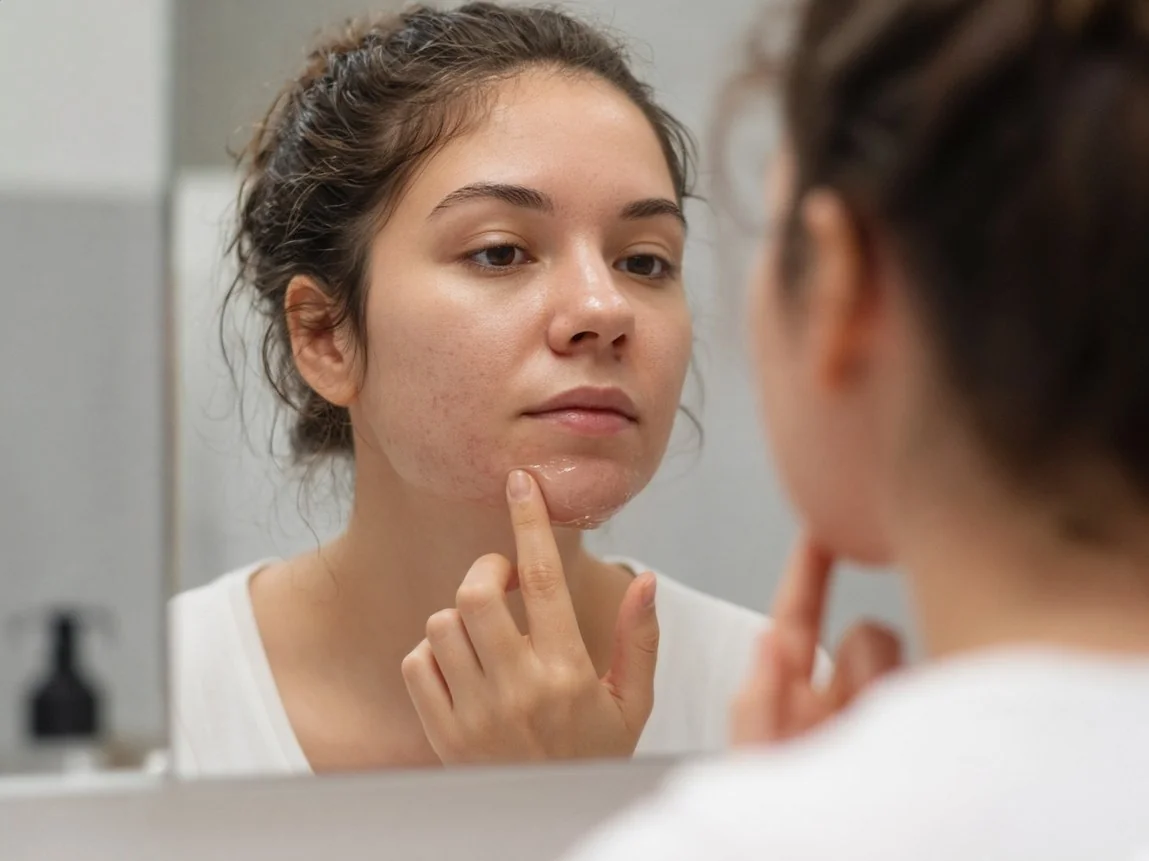
Use as directed, usually on a damp face, then rinse. They help as an adjunct and for people who sting with leave-ons. Do not scrub the cleanser in for minutes hoping short contact will become a peel. Follow the label.
Leave-on liquids and gels
These are common for nose, chin, and other congested zones. Apply a thin layer on clean, dry skin. More product is not a higher medical dose; it is often just more irritation. If the label allows daily use and your skin stays comfortable, consistency beats weekend “catch-up” layers.
Spot habits versus all-over thin layers
All-over thin layers on the congested area usually beat harsh digging in one pore. Spot-treating a single blackhead with a thick glob while ignoring the surrounding field rarely changes the pattern.

Combining salicylic acid with retinoids, glycolic acid, benzoyl peroxide, or strong scrubs on the same night raises irritation risk. Alternate nights when you are building tolerance. If a clinician has already set a combined plan, follow that plan rather than internet stacking.
Stop the experiment if you get painful peeling, fissures at the corners of the nose, or stinging that lasts into the next day. Barrier repair comes before another acid.
How to Keep Congestion from Getting Worse
Stay consistent for weeks
Blackhead care is measured in weeks of repeatable use, not in one extraction session. Take a weekly photo in the same light if you need a fair comparison. Day-to-day mirror checks exaggerate normal oil.
Write the schedule down if you are the kind of person who layers everything when stressed. A boring three-night-a-week leave-on beats a chaotic stack that ends in peeling by Friday.
Wear sunscreen while using acids
Keep daytime broad-spectrum protection. Exfoliating acids increase sun sensitivity, and ultraviolet exposure worsens uneven tone after inflammation. A lightweight sunscreen you will use beats a heavy cream that stays in the bottle.
Moisturize when the barrier feels tight
A bland moisturizer after the acid absorbs is not “clogging the pore on purpose.” Skipping moisturization to feel squeaky often backfires as more oil and more irritation.
Keep hands and tools off
Extraction belongs with trained professionals when it is needed. At home, cleanse, apply the leave-on, moisturize, and stop. Magnifying mirrors and pore vacuums used aggressively create the marks people then blame on the acid.
Simplify makeup and heavy layers on the T-zone
Remove sunscreen and makeup thoroughly at night without a second harsh scrub. If rich balms sit on the nose all day, consider a lighter daytime moisturizer in that zone only.
Picking a Salicylic Acid Product for Blackheads
Choose a salicylic acid product for blackheads you can repeat without weekly barrier crises.
- Confirm salicylic acid on the Drug Facts panel for U.S. acne products, and read the labeled strength and directions.
- Start every other night if skin is reactive; increase only when comfortable.
- Apply a thin layer on clean, dry skin to the congested area.
- Moisturize if tightness appears, and use sunscreen by day.
- Escalate to a clinician if cysts, scars, or pain appear, or if steady OTC use fails.
Do not chase a higher percentage the first week. Tolerance and contact time matter more than winning a strength contest.

When a Clinician Should Take Over
Dermatologists can add topical retinoids, antimicrobials, prescription regimens, or procedures when OTC salicylic acid is not enough. Scarring acne should not wait on endless product cycling alone.
- Ask about professional extraction only in a clean clinical setting when appropriate.
- Mention prior peeling, isotretinoin history, or pregnancy when relevant to product choice.
- Bring photos if breakouts fluctuate with cycles or products.
Common Mistakes
- Picking or digging blackheads daily with fingers or tools.
- Stacking salicylic acid, a retinoid, glycolic acid, and a scrub in one night.
- Skipping moisturizer when the barrier stings because you want to “keep pores empty.”
- Expecting empty-looking pores forever after one week of use.
- Using a coarse fruit-pit scrub because it feels like it is working.
- Stopping sunscreen while on an acid routine.
Long-Term Maintenance
Keep a tolerable salicylic schedule and daily sunscreen. Reduce frequency if skin peels painfully, then rebuild slowly. When the pattern is stable, maintenance can be fewer nights per week for some people, as long as congestion does not rebound hard. Recheck with a clinician if you start scarring or if cysts replace simple blackheads.
Travel, heat, and hormonal weeks can temporarily worsen oil. That is not always proof the product stopped working. Return to the baseline schedule before you add a second acid in frustration.
Conclusion
A salicylic acid product for blackheads works through steady, oil-soluble exfoliation — not pore excavation. Pick a labeled strength you can tolerate, give it weeks, protect the barrier, and keep hands off. Scarring or cystic acne needs clinical care, not a harsher scrub. Clearer openings are a fair goal; permanently smaller anatomy is not.
FAQs
What salicylic acid strength is typical in OTC acne products?
U.S. over-the-counter acne products use salicylic acid within regulated concentration ranges, often including 0.5% to 2% for many leave-ons and washes. Always read the Drug Facts label for the product in your hand rather than copying a percentage from a different bottle.
How long until blackheads look better?
Many people need weeks of consistent use, not overnight clearing. If nothing changes after a fair trial, or if lesions become painful and deep, ask a clinician instead of only raising irritation.
Can I use salicylic acid with retinol?
Many people alternate nights when they are still building tolerance. Same-night stacking raises irritation risk. If a clinician gave you a combined plan, follow that schedule and use moisturizer when the barrier feels tight.
Is a scrub better than a salicylic leave-on for blackheads?
Coarse scrubs can inflame the pore opening and create micro-tears. Oil-soluble chemical leave-ons are often better tolerated for blackheads than harsh physical grinding, especially on the nose.
Should I extract blackheads at home?
Home digging risks marks, infection, and larger-looking pores afterward. Professional extraction in appropriate settings is safer when extraction is truly needed. Day-to-day care should stay on cleanse, leave-on, moisturize.
When do I need a dermatologist instead of another OTC bottle?
Seek care for cysts, scarring, significant pain, rapid worsening, or failure of steady labeled OTC care. Early treatment can prevent permanent texture change.