Key takeaways
- Squalane is the stable, saturated form of squalene used as a light emollient.
- It softens skin and helps limit moisture loss; it is not an acid exfoliant or a drug.
- Pore-clogging risk is generally low, but the whole formula still matters.
- Use it after water-based products; patch-test anything new.
What is squalane, exactly?
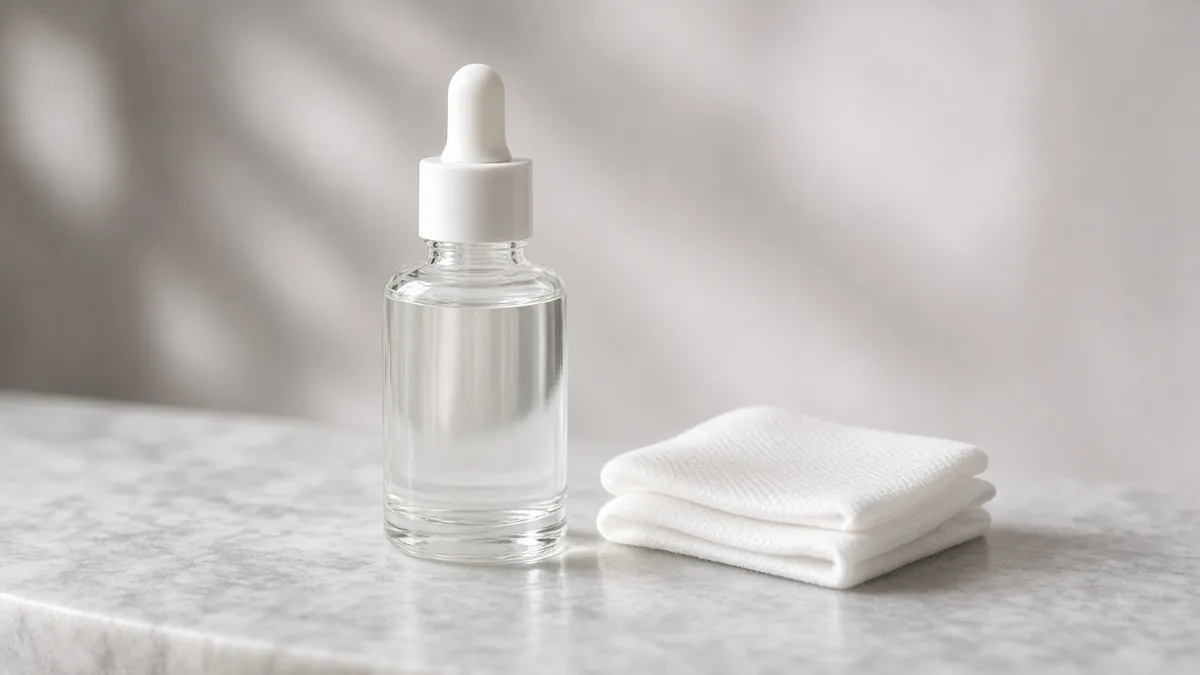
What is squalane? In plain terms, it is a clear, odorless hydrocarbon oil made by fully hydrogenating squalene. Hydrogenation fills the molecule’s double bonds with hydrogen, which is why labels say squalane instead of squalene. The saturated molecule is far less prone to going rancid on the shelf.
On skin, formulators use it as an emollient: an ingredient that softens and smooths by filling tiny gaps around dry surface cells and improving slip. The American Academy of Dermatology (AAD) lists it among supportive leave-on ingredients and states that “Squalane is an emollient, which soothes skin.” That is the right mental model—comfort and softness, not a prescription treatment.
Squalene (with an e) shows up naturally in sebum. Commercial squalane is made to resemble that lipid family so skin often tolerates it well, but “related to sebum” is not the same as “identical to your oil.” Concentration, texture, and the rest of the formula still decide how a product feels.
Squalane vs squalene: why the one letter matters
The two names are easy to mix up. The chemistry difference is not marketing fluff.
| Squalene (e) | Squalane (a) | |
|---|---|---|
| Saturation | Unsaturated (has double bonds) | Fully saturated (hydrogenated) |
| Stability in a formula | Oxidizes more readily | Much more shelf-stable |
| Common leave-on use | Less common as the main oil | Standard INCI name on many oils and creams |
| Everyday takeaway | Natural sebum lipid; less ideal alone in open jars | The form most skin-care products actually use |
What does it actually do on skin?
Think of three practical jobs:
- Softens and smooths dry, rough patches (classic emollient feel).
- Helps limit water loss by sitting with skin’s surface lipids—more “seal and comfort” than a water-attracting humectant like glycerin.
- Adds light slip so creams and serums spread without a heavy grease film for many people.
That places squalane nearer the oil / emollient side of moisturizing than the “active treatment” side. If you are sorting lipids versus actives, our guide to what is an active in skin care draws that line; squalane is usually support, not the star acid or retinoid.
Safety context for cosmetics comes from the Cosmetic Ingredient Review (CIR) Expert Panel. In its original assessment—and again when it reaffirmed that conclusion in a 2019 re-review summary—the Panel stated that:
both Squalane and Squalene are safe as cosmetic ingredients in the present practices of use and concentration
Source: Cosmetic Ingredient Review
CIR also notes both ingredients are natural components of human sebum, that reported use of squalane in U.S. voluntary registration data rose substantially over time, and that despite some newer sensitization signals in the literature, the Panel did not see significant clinical evidence of sensitization. That supports cosmetic use as practiced, not unlimited medical claims.
Who tends to like it?
- Dry or tight skin after cleansing often likes a few drops or a squalane-rich cream.
- Sensitive or easily irritated skin may prefer a short INCI list with squalane near the top rather than a crowded fragrance blend.
- Oily or combination skin can still use it when the product is light and the rest of the formula is not a pile of heavier oils—more on pores next.
Is squalane comedogenic?
Is squalane comedogenic? For most people, risk looks low—not zero for every face and every formula.
Consumer and clinic explainers often call squalane non-comedogenic (unlikely to clog pores). Cleveland Clinic’s dermatologist commentary says squalane itself will not clog pores, then immediately adds the important caveat: other oils in the same product can. Fragrance, certain plant butters, and heavy occlusives change the breakout picture even when squalane is present.
A few honest boundaries:
- Historical comedogenicity tables (often rabbit-ear style scores) commonly place squalane near the low end of the scale. Those tables are tools, not a personal guarantee.
- CIR’s literature set includes work on squalene monohydroperoxide—an oxidation product of squalene—and comedogenicity. That is a reason formulators prefer stable squalane, not proof that squalane behaves like oxidized squalene.
- “Non-comedogenic” on a label is not a tightly regulated FDA drug claim. Read the full ingredient list and judge your own skin.
If you break out after a new oil, stop, simplify, and patch-test the next candidate on a small area for several days before full-face use.
Where it shows up in formulas (and plant vs animal sourcing)
You will see squalane in:
- Lightweight face oils (sometimes as the sole oil)
- Serums and gel-creams that need slip without a thick butter feel
- Daily moisturizers and eye creams
- Occasional hair products for shine and softness on the fiber surface
How much appears on the label varies. Leave-on products may use it as a minor co-emollient or as a high share of an oil blend. CIR’s 2019 summary cites industry concentration data showing squalane reported across a very wide use range in cosmetics (including high leave-on levels in some categories). Exact percentages on a retail bottle still depend on the brand’s formula—there is no single “correct” consumer dose.
Sourcing has shifted for sustainability reasons. Older supply chains used shark liver oil; many modern lots come from olive residues, other plants, or sugarcane-derived routes that build the molecule through fermentation and hydrogenation. Prefer plant-derived when that matches your values, and still judge the finished product’s full formula. For how oils and lipids sit inside a cream system, see our overview of cosmetic formulation.
How to use it in a routine
Keep the order simple.
- Cleanse gently.
- Apply water-based toner or serum while skin is slightly damp.
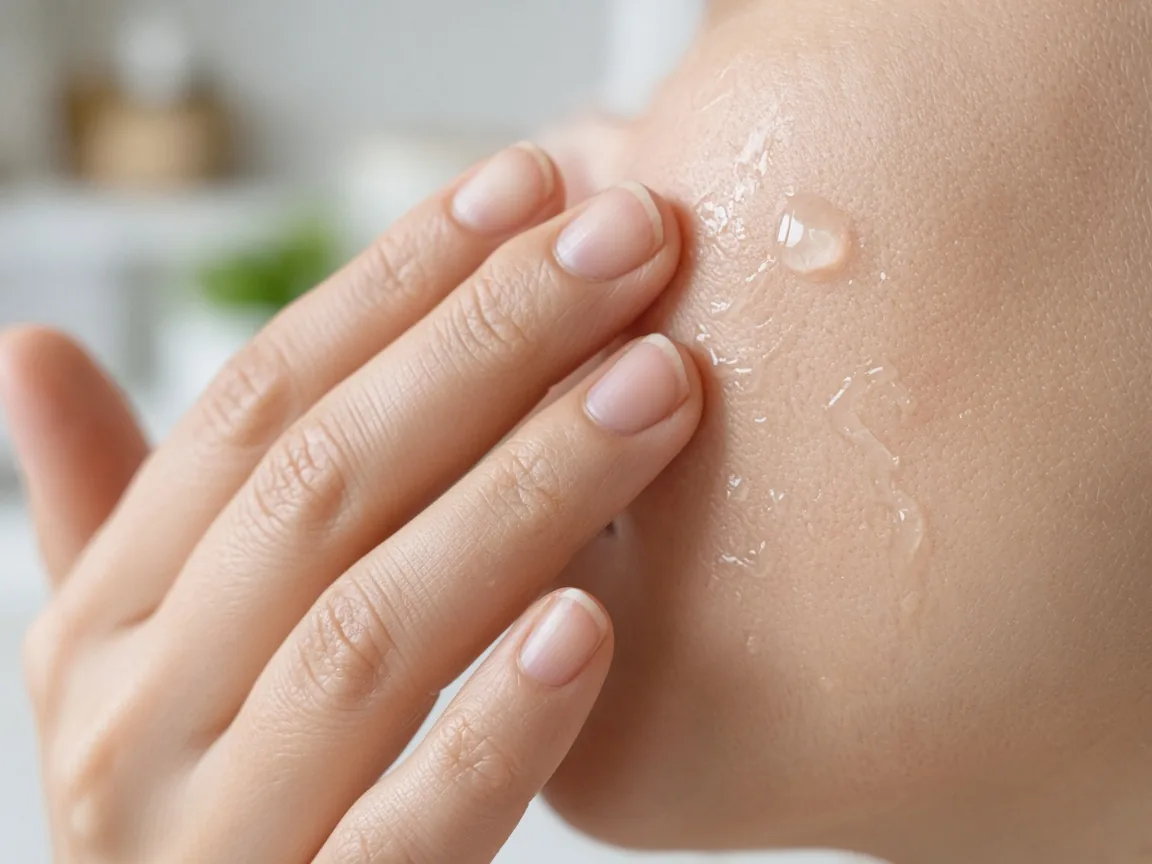
- Add 2–4 drops of squalane oil, or your squalane-containing moisturizer, and press in.
- In the morning, finish with sunscreen.
Cleveland Clinic’s practical tip matches what many formulators teach: put lighter, water-based products first, then squalane so it can sit nearer the surface and help slow water loss. If your skin is very dry, you may layer a cream after the oil, or choose a cream that already includes squalane.
How often? Daily morning and night is common when the formula agrees with you. If you are starting a retinoid and feel tight or flaky, a thin squalane layer can make the routine more comfortable for some people—still follow your clinician’s advice for prescription products.
Choosing a texture:
- Want a pure oil step? Compare formats in body oil vs lotion for how oils differ from emulsions on larger areas.
- Wondering how “seal” ingredients differ from humectants? See occlusive skincare—squalane behaves more like a light emollient/seal helper than a thick petrolatum-style occlusive for most users.
Quick checklist: is a squalane product a fit?
Use this before you buy or before you add another bottle to the shelf.
- My goal is softness and comfort, not exfoliation or spot treatment.
- I checked the INCI: Squalane is present, and I know what else is in the bottle.
- If I am acne-prone, the formula is not loaded with extra heavy oils or fragrance I already react to.
- Sourcing (plant vs animal) matches my preference when the brand discloses it.
- I can patch-test for about a week on a small area before full-face use.
- I have a place for it in the routine after water-based layers.
If most boxes are unchecked, you may need a different moisturizer style—not a louder squalane claim.
FAQ: questions people ask next
What is squalane made from?
Chemically it is hydrogenated squalene (C30H62). Commercially it may start from plant oils, sugarcane pathways, or historically shark sources. The INCI name on the label is still Squalane when the saturated molecule is used.
Can oily skin use squalane?
Often yes, in a light product. Start with a few drops or a gel-cream that lists squalane among lighter emollients. Watch for congestion over two weeks; congestion from a crowded oil blend is not the same as “squalane always clogs.”
Is squalane the same as jojoba or rosehip oil?
No. Jojoba is a liquid wax ester; rosehip is a triglyceride-rich plant oil with its own fatty-acid profile. Squalane is a saturated hydrocarbon emollient. They can feel similarly “light,” but they are not interchangeable on a label.
Is it safe to use every day?
For typical cosmetic use, daily use is common, and CIR’s cosmetic safety conclusion covers present practices of use and concentration. Stop if you irritate, and ask a dermatologist if you have a complex skin condition.
Can I mix it with retinol or vitamin C?
Squalane is generally compatible as a buffer or follow-on moisturizer. Apply water-based actives as directed, then the oil or cream. Avoid stuffing every active into one overloaded step if your skin is reactive.
Keep the label honest
Squalane earns its popularity because it is stable, light, and familiar to skin’s lipid story—not because it replaces sunscreen, prescription acne care, or a well-built moisturizer. Read the full formula, keep expectations at “soft and comfortable,” and treat comedogenicity as a personal + formula question rather than a slogan.
When you want the next layer of context, the cluster posts on occlusive skincare, body oil vs lotion, and cosmetic formulation sit beside this ingredient guide without turning it into a product pitch.