This path is for brands that still need lab work

Use custom formulation when the product still needs a lab standard: a new formula from a market brief, or controlled changes to a bulk base, an approved formula or a physical sample. Prink coordinates formula research, base adjustment, functional ingredient addition, and fragrance or color tuning. Brands that used to request ODM cosmetics—development from a brief through an approved sample—start on this page. When the formula is already approved and you only need compounding, filling and packing, use Contract Manufacturing instead.

How the work is split

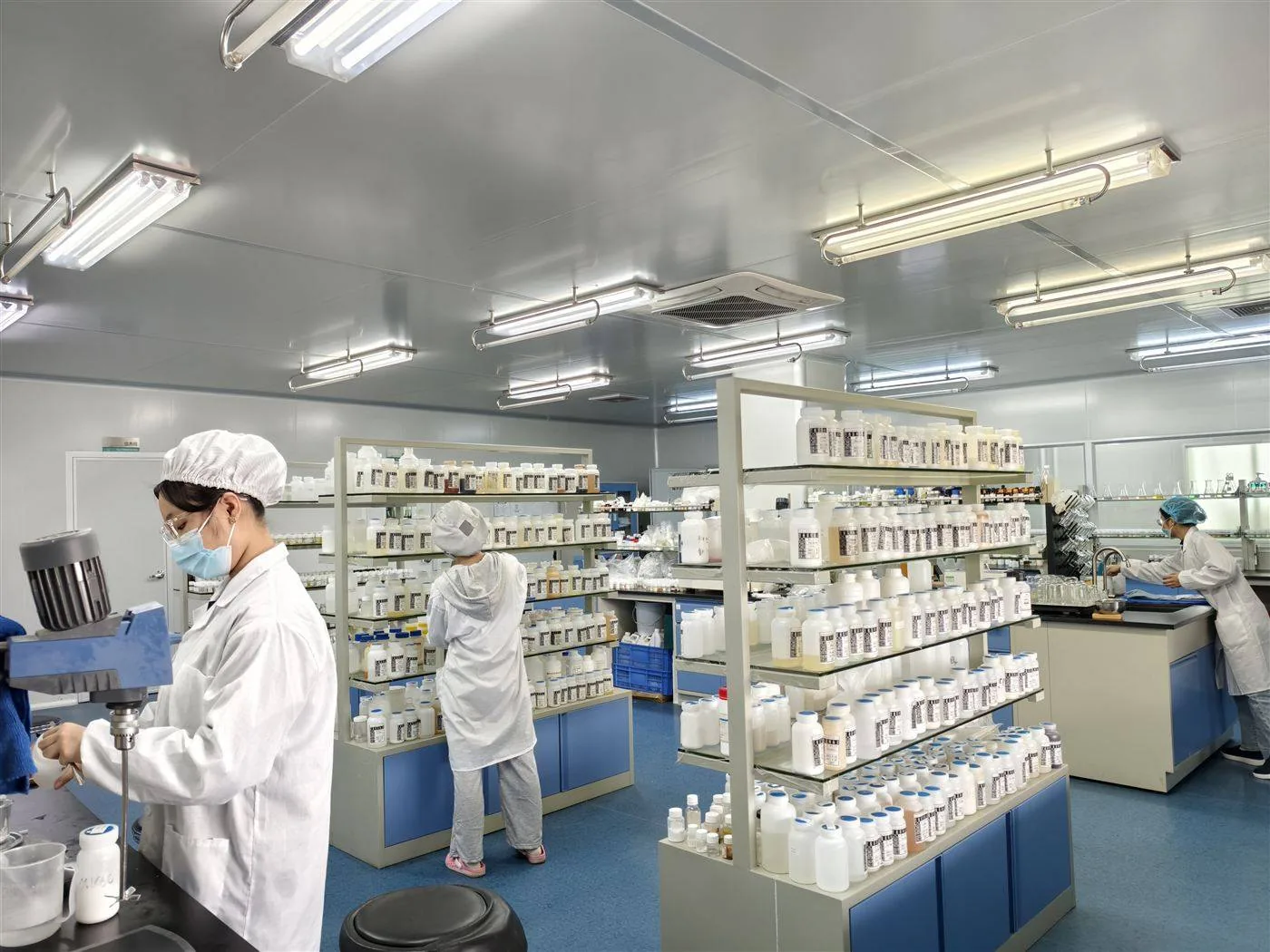
Formula work covers research, bases, actives, fragrance and color

These four services are the custom formulation scope on this page. Exact scope is confirmed for each project, and not every brief uses all four.

  • Formula research and development

    Custom cosmetic formulation here starts from a market brief, a category target and sensory goals. You share the intended customer, the benefits and the constraints. The lab returns candidate directions and samples for you to review.

  • Base and texture adjustment

    Refining feel, stability and production fit is a common custom formulation task on an existing bulk base. Viscosity, spread and absorbency are set against daily use and the climate you ship into.

  • Functional ingredient addition

    Actives can be added or tuned inside a workable range. Sample performance is confirmed before anyone commits to a bulk quantity.

  • Fragrance and color tuning

    Scent and shade are adjusted so the product matches the brand presentation and the market preference in the brief. A target shade or a physical sample can be the reference.

Choose a starting point

An existing formula and a new brief follow different lab routes

Both routes are custom formulation. The starting point decides how much lab work you need before a production standard exists.

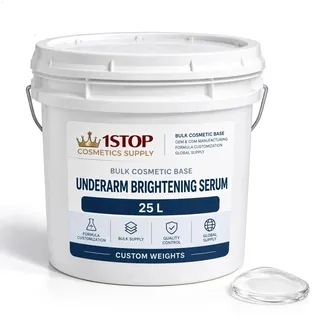
Existing formula

Adjusting an existing formula or base

Choose this when you can point to a base, a formula or a sample.

You already have a bulk base, an approved formula, a close benchmark or a physical sample. Work stays on controlled changes—texture, color, fragrance, actives or stability—while the core architecture stays in place. Sampling confirms each change before scale-up.

  • You bring. A catalogue base, your own formula, a benchmark, or a physical sample to match.

  • Lab work. Texture, shade, scent, actives or stability are changed one decision at a time and checked on a sample.

  • You approve. A sample and a batch reference that later manufacturing can follow. This route does not invent a new formula architecture.
New development

Developing a formula from a brief

Choose this when you can describe the product but do not have a formula yet.

You bring the customer, the category, the benefits and the market, not a finished formula. This is cosmetic formulation development: candidates, samples and a specification until you approve a production reference.

  • You bring. Category, benefits, texture or shade, pack direction, volume and destination markets.

  • Lab work. Candidate formulas are built and sampled against that brief until a workable direction is clear.

  • You approve. A production reference. Compounding, filling and packing then move to Contract Manufacturing.

Both routes finish when you approve a sample and a batch reference. Compounding, filling and packing then continue on Contract Manufacturing.

A brief can set sensory, active and market targets

Share the targets that matter for the launch. Each lever of the custom formulation can be adjusted within process capability and the rules of the destination market. Pack direction can be named in the brief; filling and labeling wait until the formula standard is approved.

  • Color and shade matching

    Match a brand shade, adjust tone, or align the fill color with the packaging presentation.

  • Texture and sensory profile

    Set viscosity, spread, absorbency and skin feel so the product fits daily use and climate.

  • Formula architecture

    Build from a proven base, or refine an existing formula for stability, feel and production fit. A physical sample can guide the adjustment.

  • Active ingredient addition

    Name the functional materials to add or tune. Performance is checked on the sample, not assumed from the ingredient name.

  • Budget and price-band planning

    Name the cost drivers early—actives, pack, volume and market—so the brief stays inside a realistic band. Unit prices are quoted per project, not published on this page.

  • Destination-market fit

    Align ingredients, claims language and documentation needs with the markets you ship to: the United States, Canada, Europe, the Middle East, Southeast Asia and Africa.

Custom Product Applications

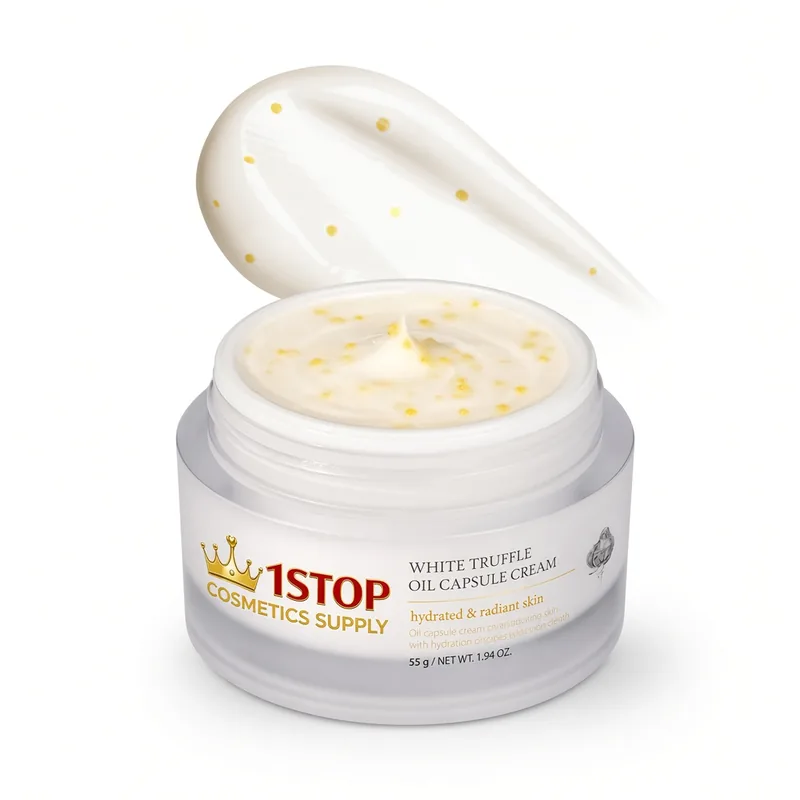
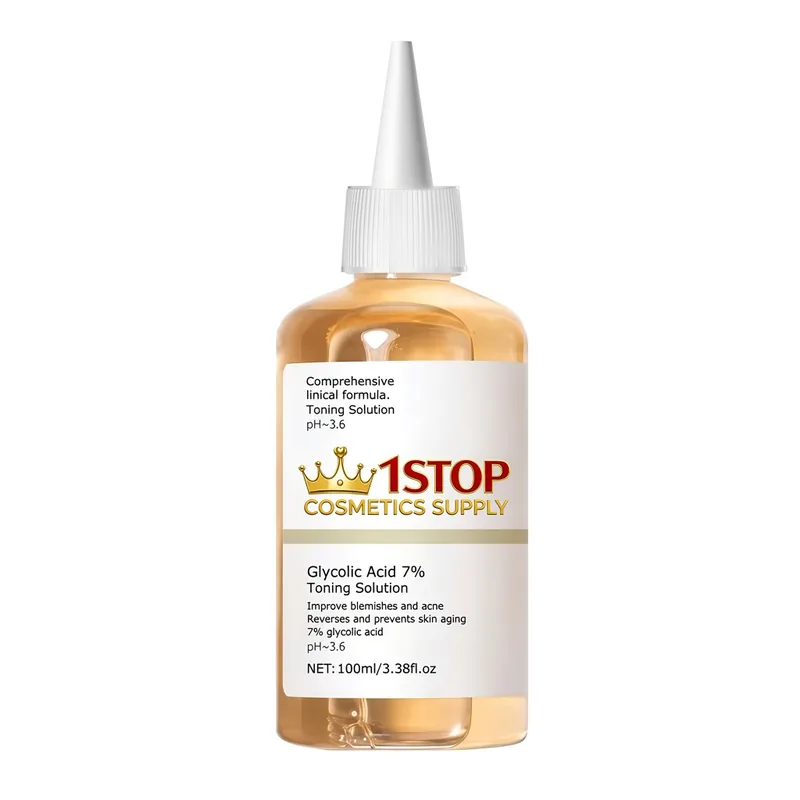
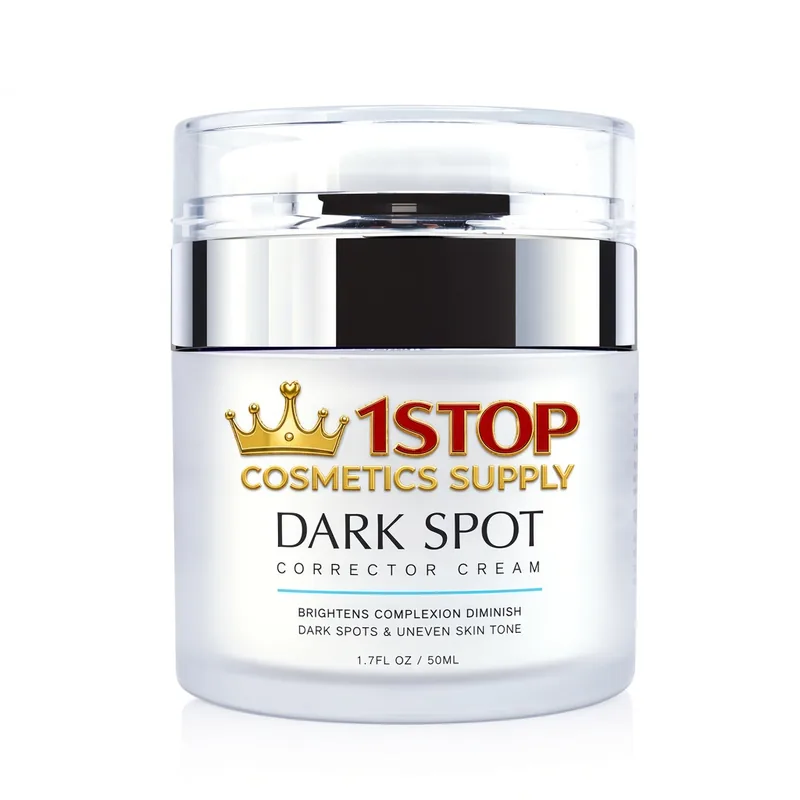
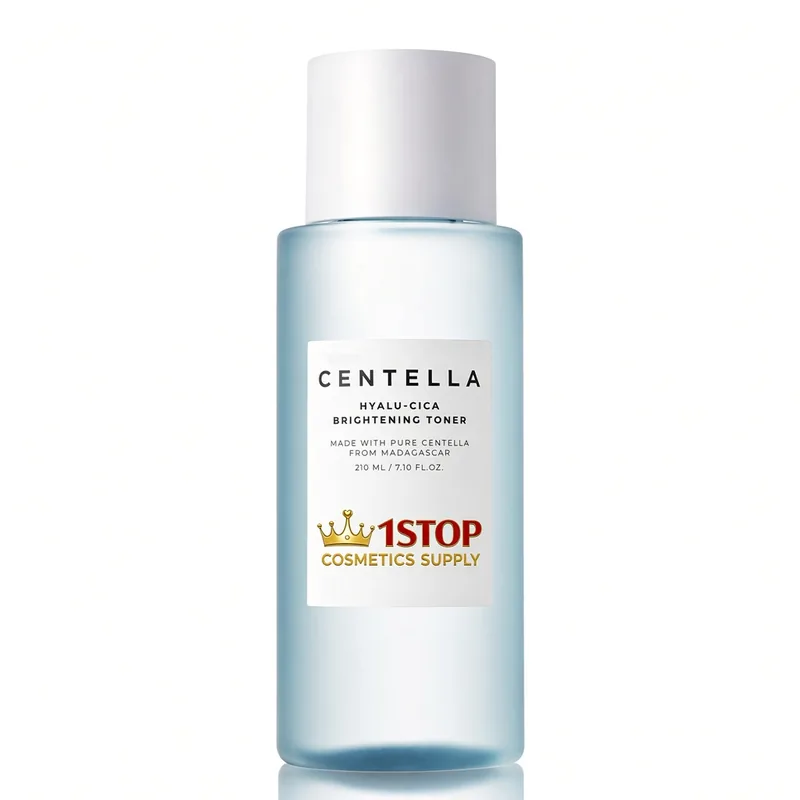
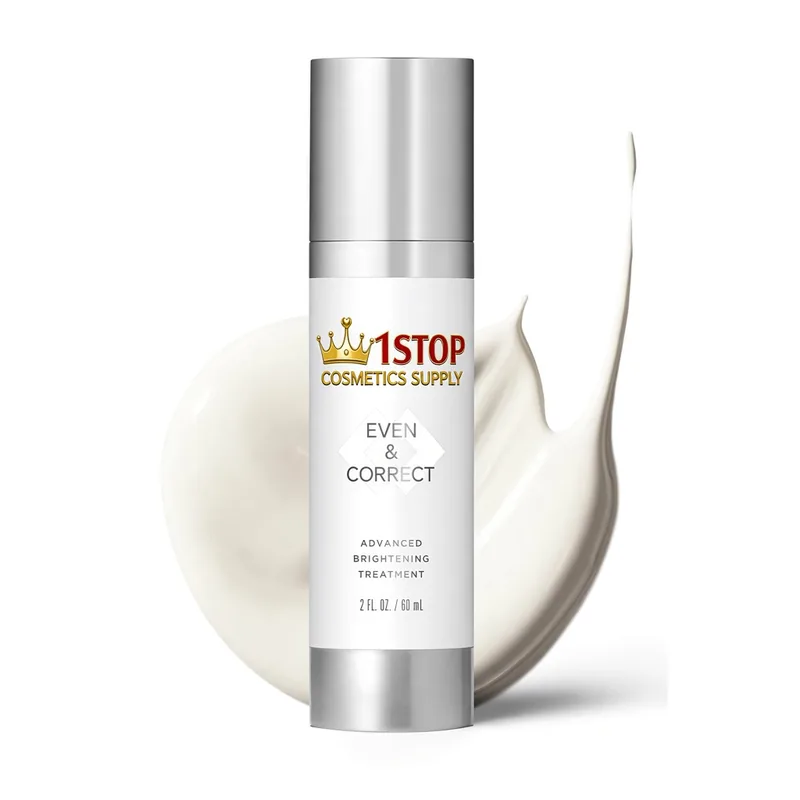
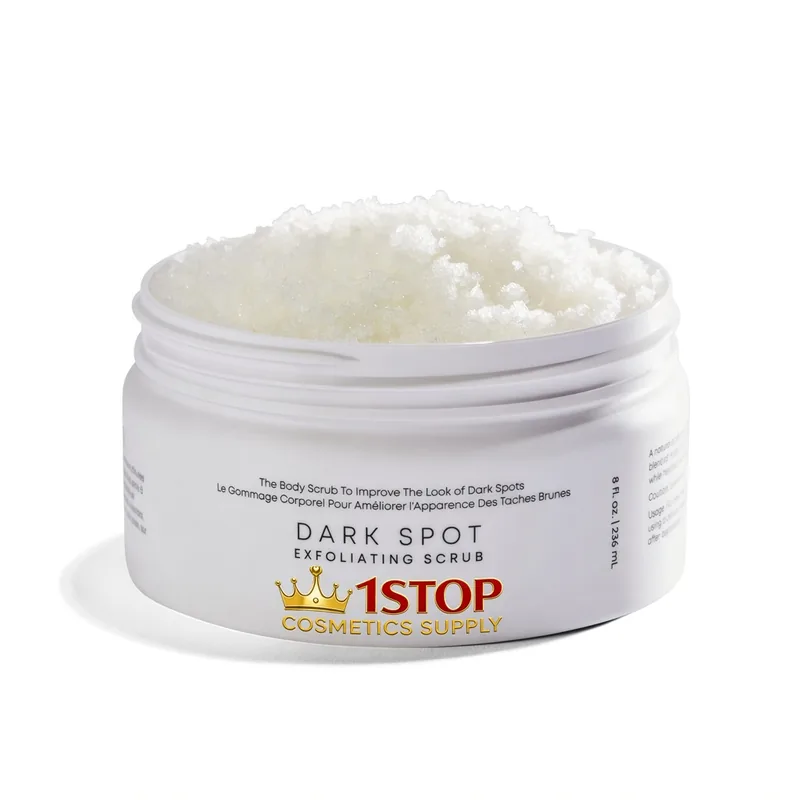
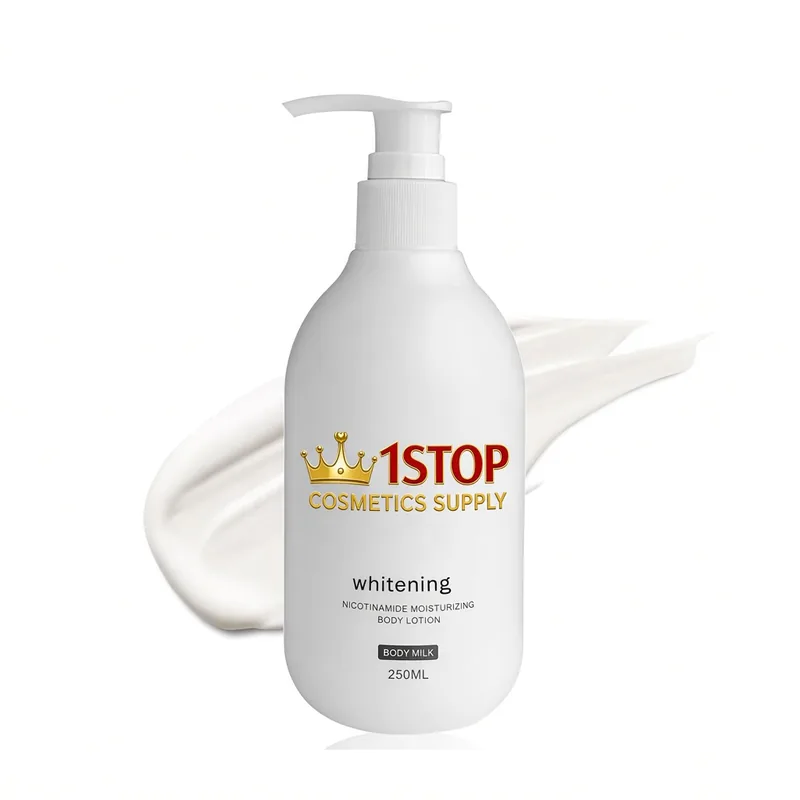
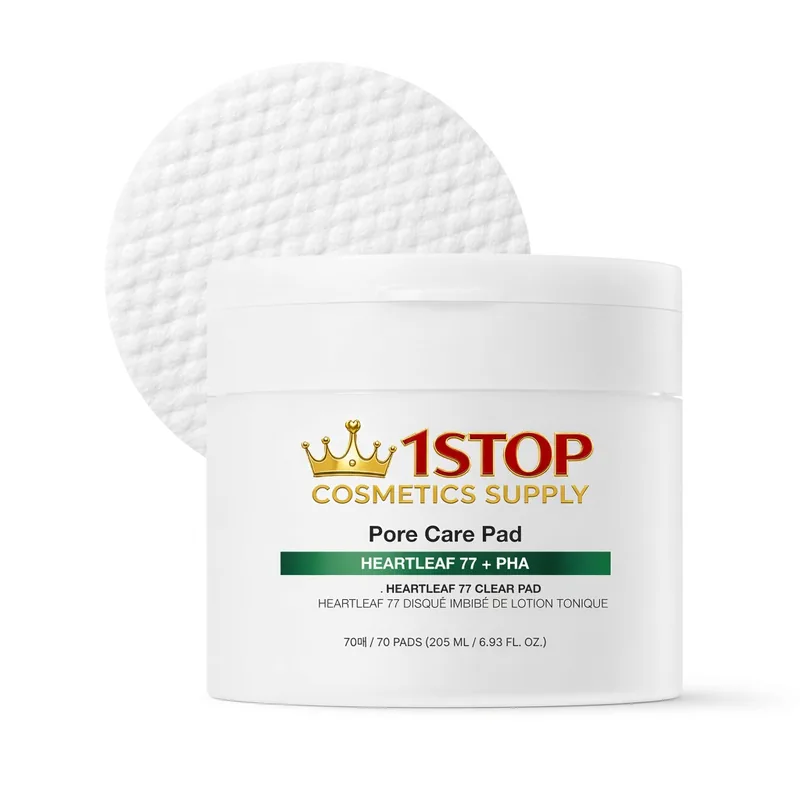
One approved lab standard can fill serums, creams, toners, masks, cleansers and body formats. These examples show common skincare presentations brands brief when they plan a line around brightening and antioxidant actives.

  • Amber dropper bottle labeled as a Vitamin C serum with the 1STOP Cosmetics Supply mark

    Vitamin C Serum

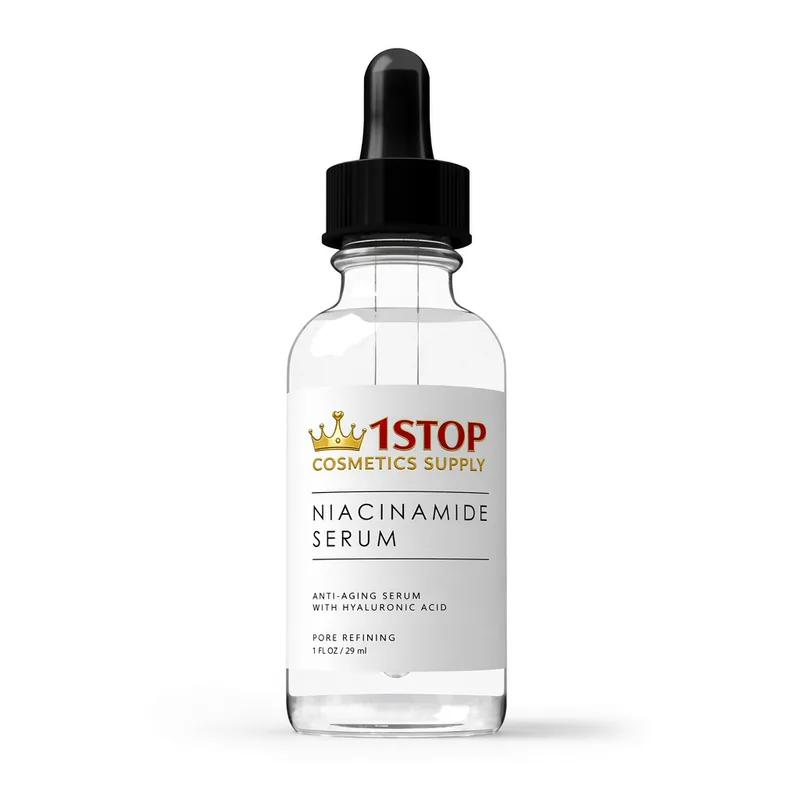
  • Clear dropper bottle labeled as a Niacinamide serum with the 1STOP Cosmetics Supply mark

    Niacinamide Serum

  • White jar of whitening cream with the 1STOP Cosmetics Supply mark on the label

    Whitening Cream

  • Clear toner bottle with a white cap labeled Glycolic Acid Toner and the 1STOP Cosmetics Supply mark

    Glycolic Acid Toner

  • Clear jar with a silver lid labeled Dark Spot Corrector and the 1STOP Cosmetics Supply mark

    Dark Spot Corrector

  • Tall frosted bottle labeled Brightening Toner with the 1STOP Cosmetics Supply mark

    Brightening Toner

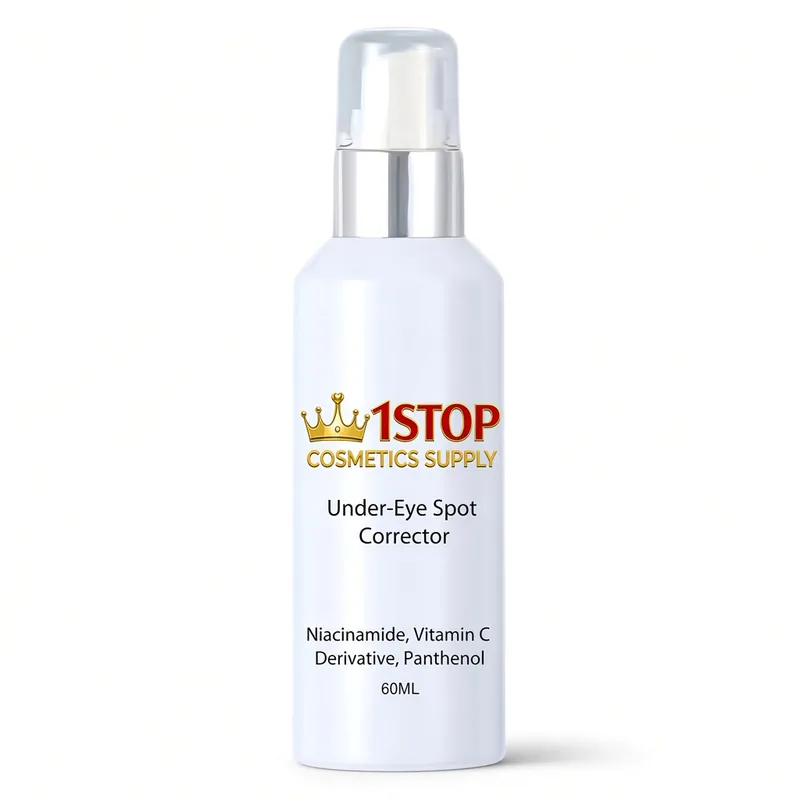
  • Slim white pump bottle labeled Under Eye Corrector with the 1STOP Cosmetics Supply mark

    Under Eye Corrector

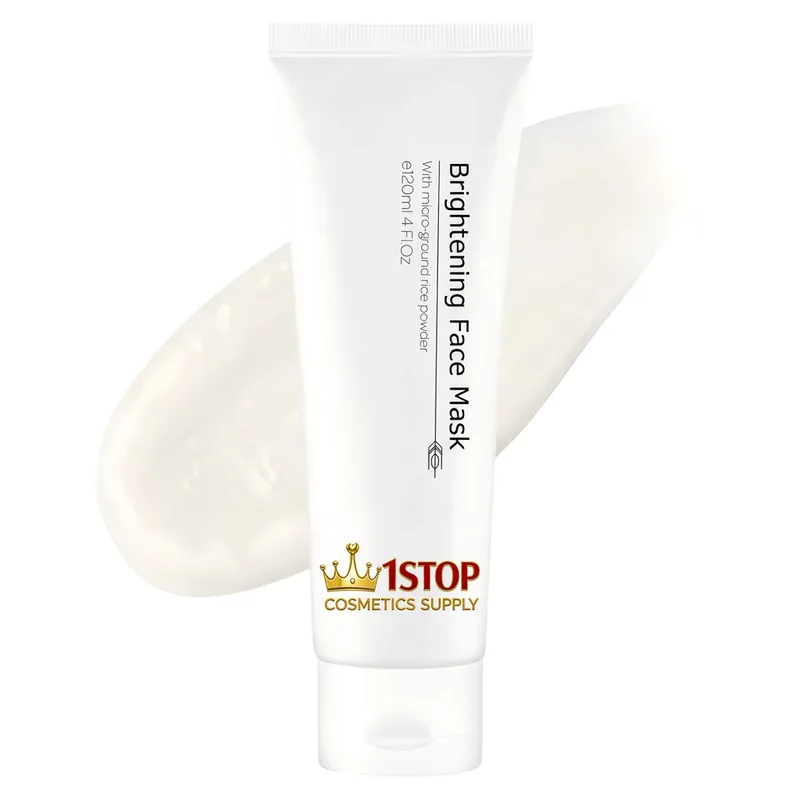
  • White squeeze tube of brightening face mask with the 1STOP Cosmetics Supply mark

    Brightening Face Mask

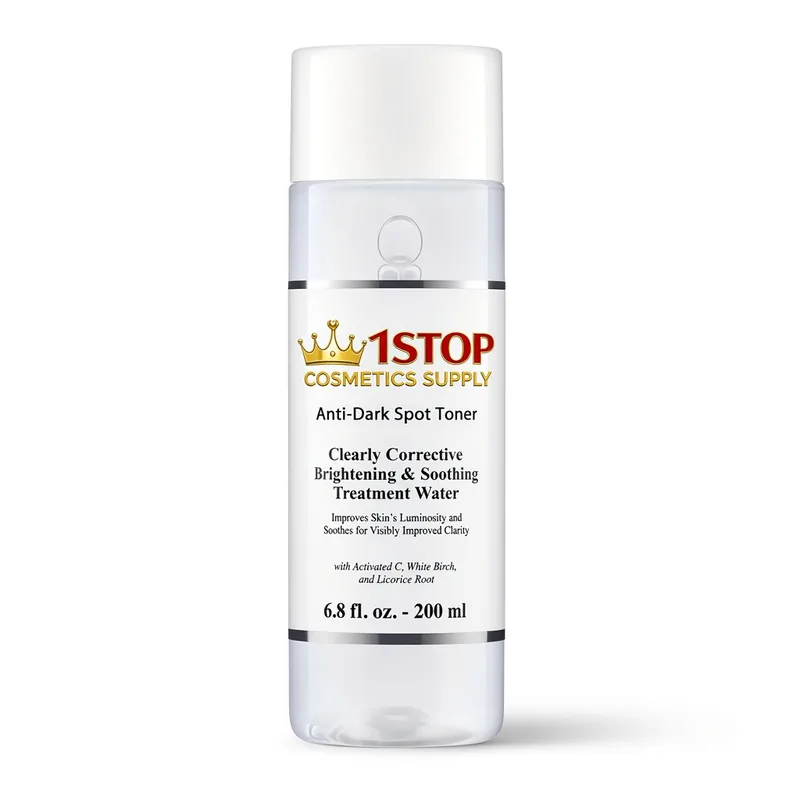
  • Tall clear pump bottle labeled Dark Spot Toner with the 1STOP Cosmetics Supply mark

    Dark Spot Toner

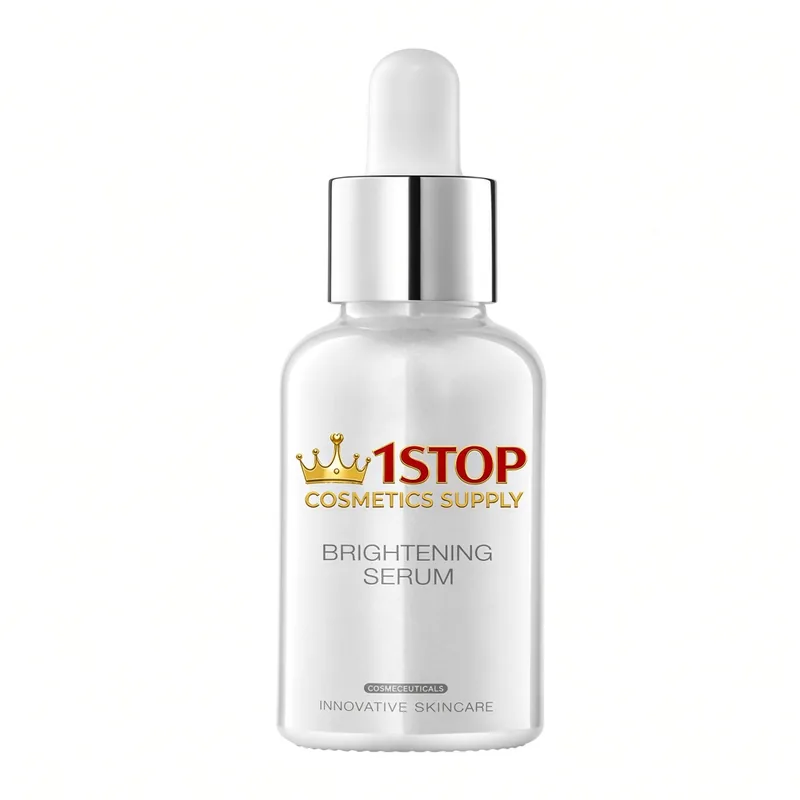
  • Frosted white dropper bottle labeled Brightening Serum with the 1STOP Cosmetics Supply mark

    Brightening Serum

  • Metallic pump bottle labeled Even Tone Correcting Serum with the 1STOP Cosmetics Supply mark

    Even Tone Correcting Serum

  • Wide white jar of whitening body scrub with the 1STOP Cosmetics Supply mark

    Whitening Body Scrub

  • Large white pump bottle of whitening body lotion with the 1STOP Cosmetics Supply mark

    Whitening Lotion Body

  • White jar of stacked toner pads with the 1STOP Cosmetics Supply mark

    Toner Pads

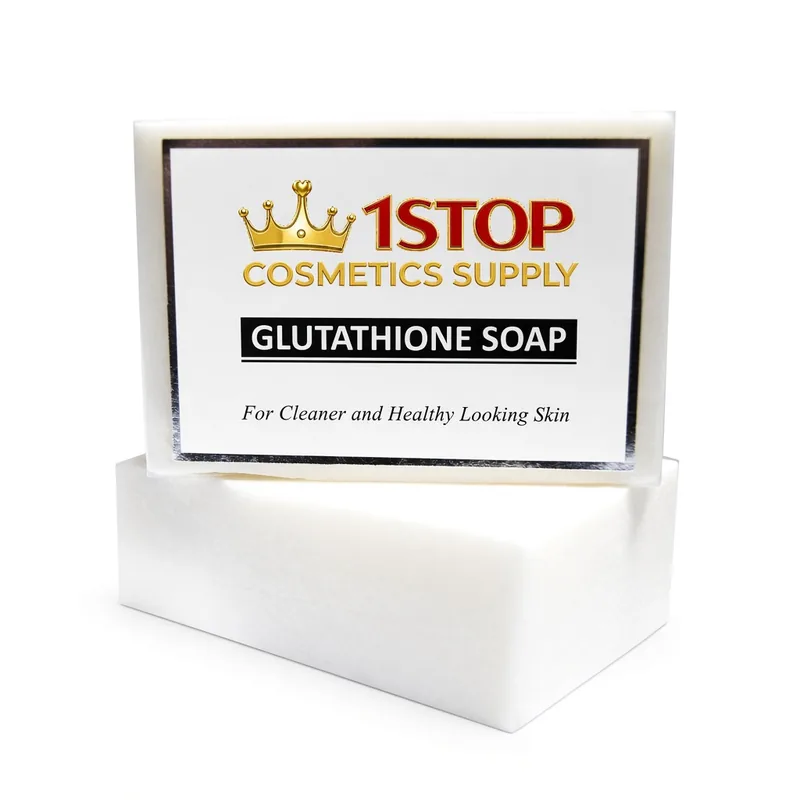
  • Boxed bar of skin whitening soap with the 1STOP Cosmetics Supply mark

    Skin Whitening Soap

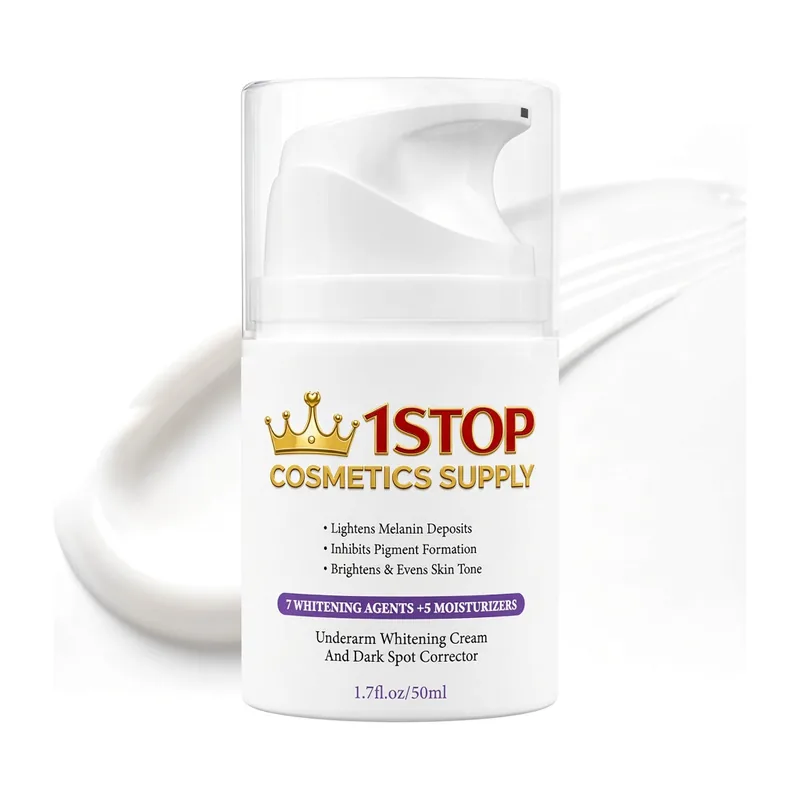
  • Small white pump bottle labeled Bleaching Cream with the 1STOP Cosmetics Supply mark

    Bleaching Cream

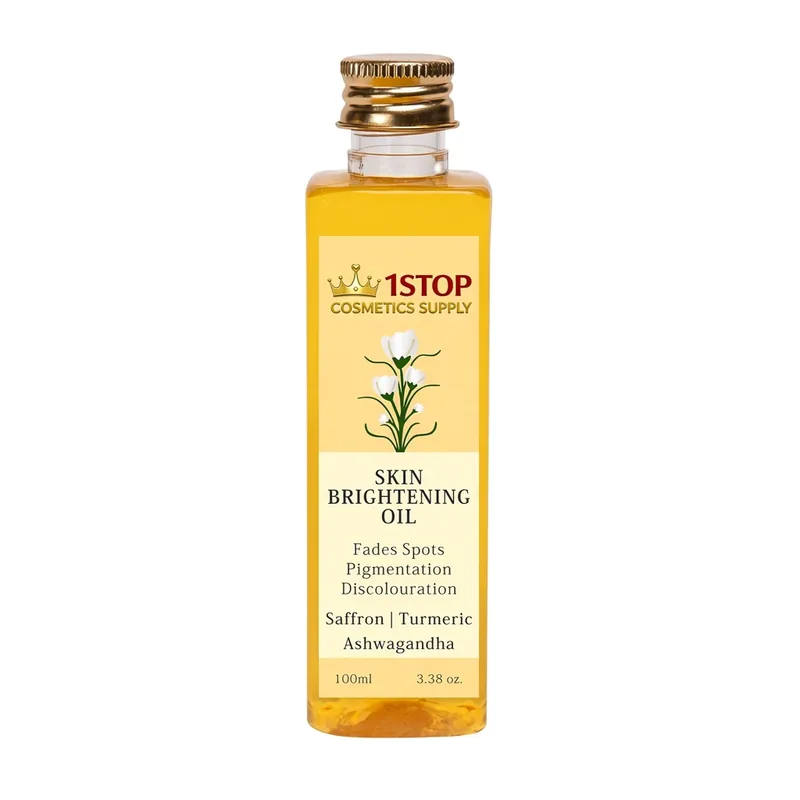
  • Tall slender oil bottle labeled Skin Whitening Oil with the 1STOP Cosmetics Supply mark

    Skin Whitening Oil

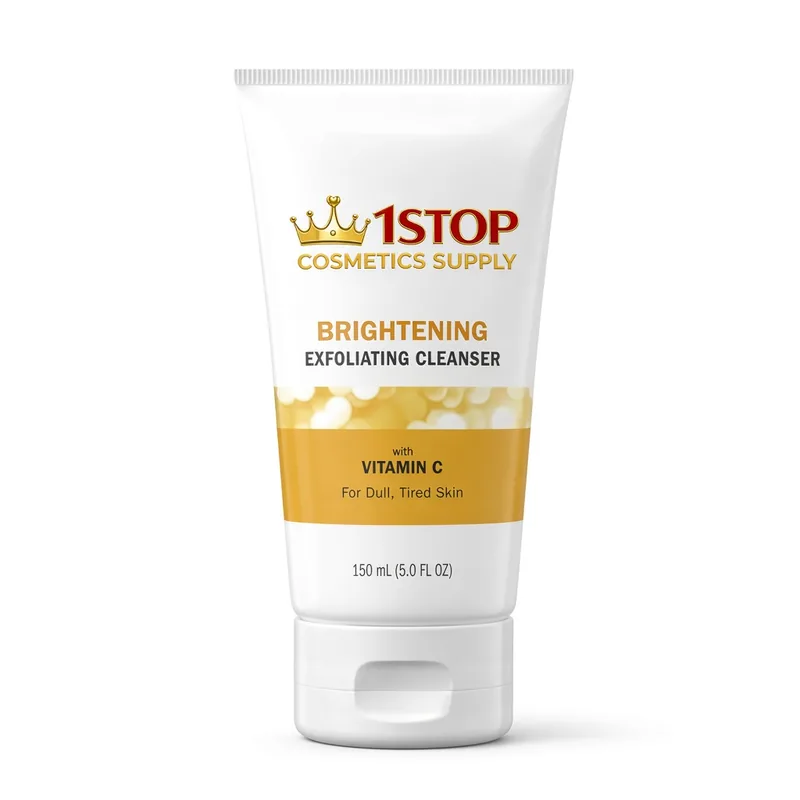
  • White squeeze tube of whitening face cleanser with the 1STOP Cosmetics Supply mark

    Whitening Cleanser For Face

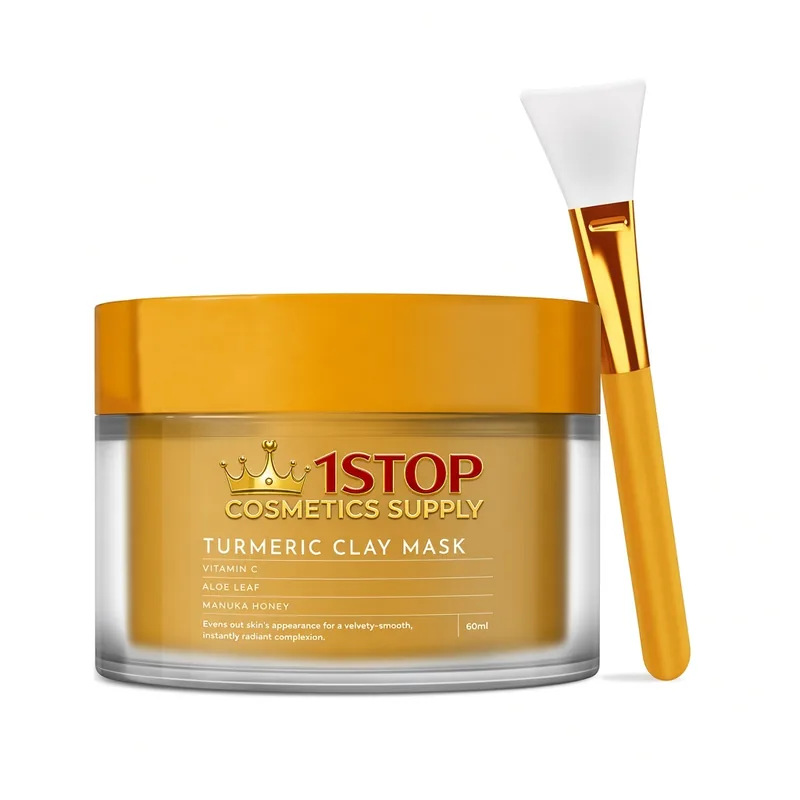
  • Orange jar of turmeric face mask with an applicator brush and the 1STOP Cosmetics Supply mark

    Turmeric Face Mask

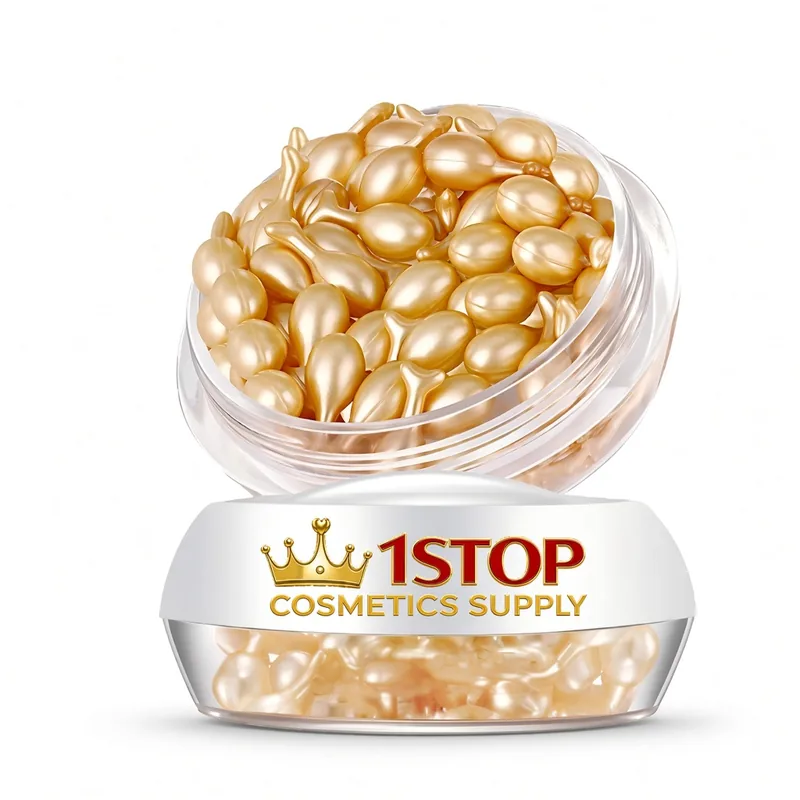
  • Jar of golden capsules labeled Skin Whitening Capsule with the 1STOP Cosmetics Supply mark

    Skin Whitening Capsule

How a project moves

A project runs from brief to an approved standard

The sequence keeps the brief, the sample and the later production run aligned. Scope for the custom formulation is confirmed for each project.

Semi-custom cosmetic jar and dropper showing shade, texture and pack direction

01

Brief and target market

You. You share category, benefits, texture or shade, pack direction, volume and destination markets.

Prink. We confirm which parts of that custom formulation brief can be developed in scope.

Cosmetic batch samples set out for quality review

02

Lab trial and sampling

You. You review samples against the brief and mark what still needs to change.

Prink. Trials refine color, texture, fragrance and actives before any bulk commitment.

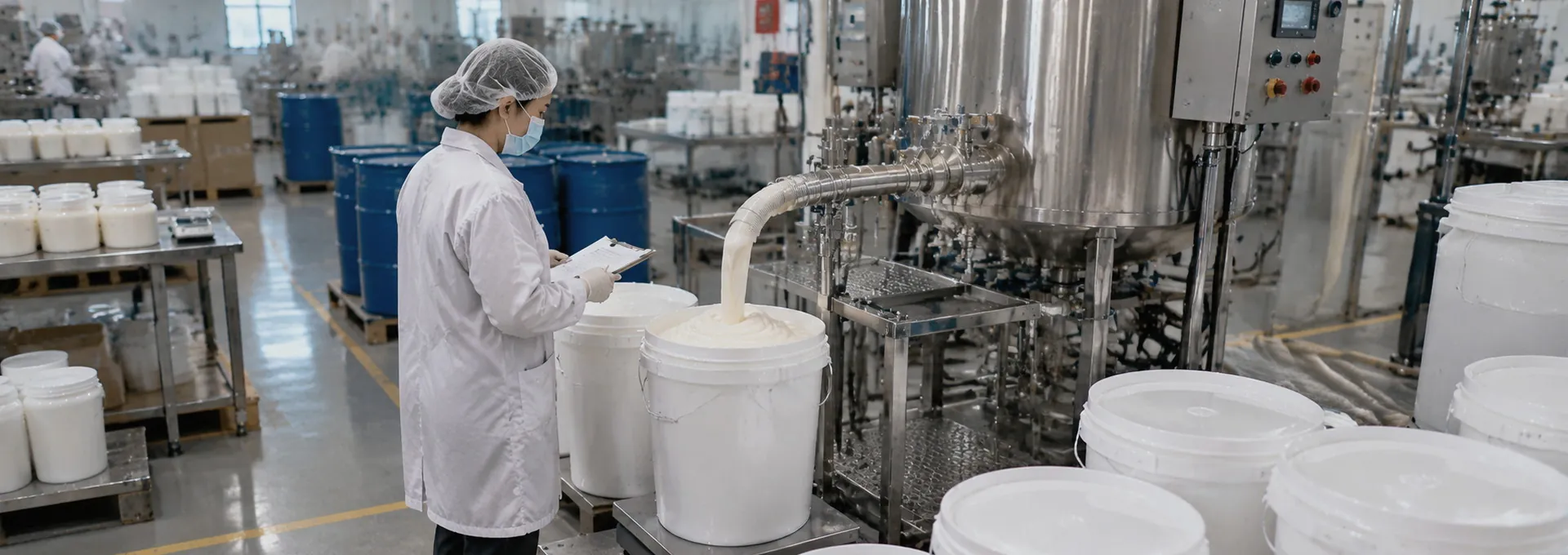
Semi-finished cosmetic cream prepared in bulk containers

03

Approval and scale-up planning

You. You approve the sample that will govern the batch.

Prink. That sample becomes the batch reference. Materials and packing are planned for the agreed quantity.

Compounding platform and bulk drums used after the formula standard is approved

04

Hand-off to manufacturing

You. You confirm quantity, pack plan and destination.

Prink. Production, filling and packing then run on Contract Manufacturing or a combined project plan.

Who does the work

Formula support and processing sit with named partners

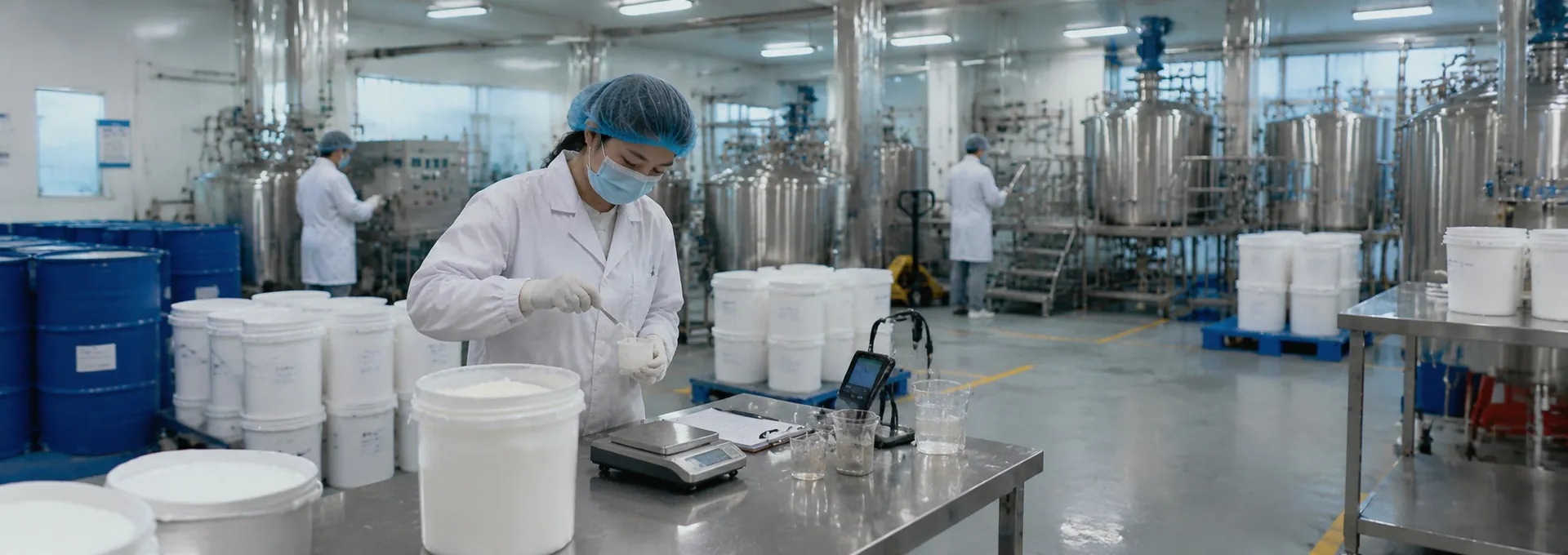
Prink cosmetics is the company you brief. Yuanxu handles processing and product development. Yuxin handles raw materials, formula support and technical training. They work together as separate parties, not as a parent company and a subsidiary.

  • Commercial contact

    Guangzhou Prink International Cosmetics Co., Ltd. takes the brief, the quote and project coordination. The public brand is Prink cosmetics.

  • Processing and product development

    Yuanxu handles processing and product development at the shared Guangzhou plant. Cosmetic GMP certificates for that plant are held by Yuanxu, not by Prink cosmetics.

  • Raw materials and formula support

    Yuxin provides raw materials, formula support and technical training for the project.

Export documents follow the batch record

When batch records are available, export shipments for the custom formulation commonly include the documents buyers need for intake and compliance review. The same list is not attached to every catalogue card.

  • COA
  • SDS / MSDS
  • INCI
  • Packing list and commercial invoice
  • Technical files related to the order

Planning ranges start at 50 kg and 7–15 days

Orders start from a 50 kg MOQ and ship in 7–15 days after approval, subject to the production schedule. These planning ranges for custom formulation are not guaranteed lead times.

Start from a catalogue base or an ingredient

An adjustment often begins with a bulk base or a material already listed. A new brief can use the same pages to name a texture or an ingredient for the custom formulation.

Send the brief that matches your starting point

Tell us the category, destination market, texture or shade targets, and whether you are adjusting an existing formula or starting from a brief. That is enough to open a custom formulation quote. If the formula is already approved, go to Contract Manufacturing.

Request a Quote