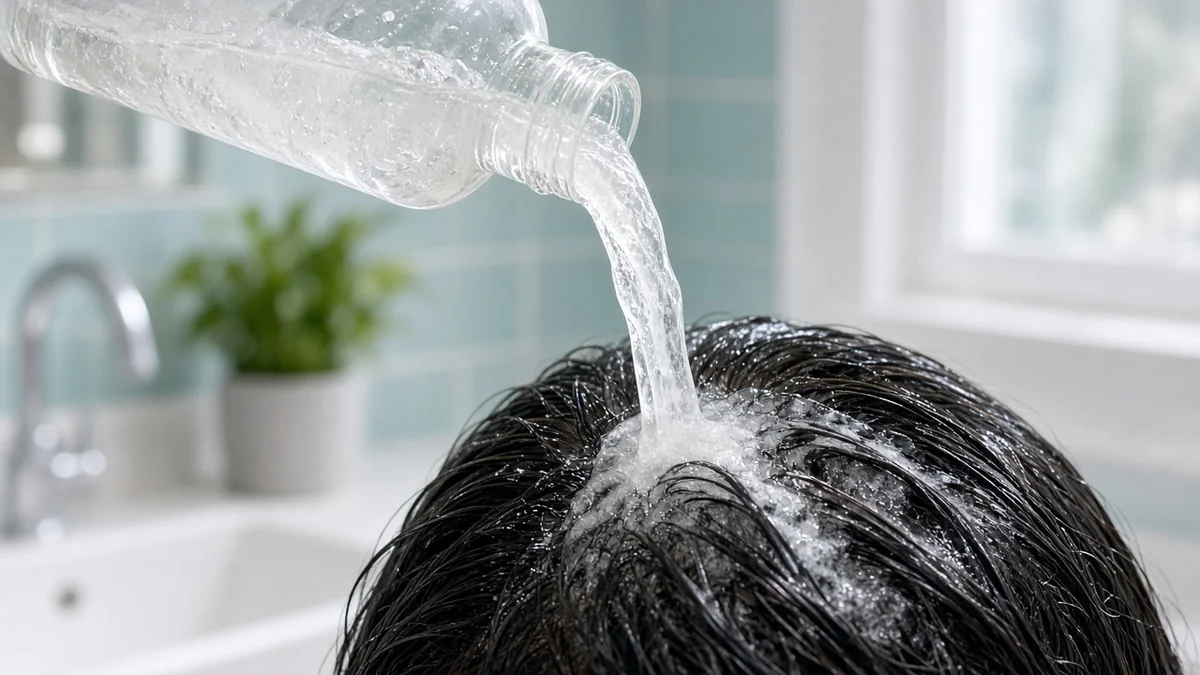
Body wash vs shampoo is mainly a question of target area and after-rinse effect. Both may use surfactants—ingredients that help oil and everyday soil rinse away—but shampoo is built around the scalp and hair, while body wash is built around body skin. One use in the “wrong” place may be tolerable for many people; routine cross-use is where tangling, residue, tightness, or scalp discomfort can show up. The specific formula matters more than assuming every product in one category behaves the same way.
Key takeaways
- Shampoo targets the scalp and hair system. Cleansing, conditioning, combability, and buildup control may all influence the formula.
- Body wash targets body skin. Spread, rinse, fragrance, and after-wash comfort usually lead the experience.
- A one-time swap is not a routine recommendation. Stop if hair feels coated or tangled, or if skin feels tight, itchy, or irritated.
- Multi-use products are intentional compromises. A 2-in-1 or 3-in-1 is designed for several jobs; an ordinary single-use product is not automatically equivalent.
The quick answer: the target area changes the job
Shampoo and body wash can look similar because both are rinse-off liquids that foam. Yet the surfaces they clean are different. Body skin is a broad living surface with its own comfort and fragrance concerns. Hair is a fiber attached to a scalp that produces oil, sheds skin cells, and may carry styling products.
That difference changes what “good performance” means. A body wash may be judged by easy spreading and comfortable skin after rinsing. A shampoo may also need to manage scalp oil, product buildup, wet combing, static, shine, or the feel of the hair lengths.
If your comparison is really about two body-cleansing formats, read body wash versus shower gel. This article stays focused on cross-use between hair/scalp and body skin.
Why can similar cleansers behave differently?
Many rinse-off products use surfactants, but surfactant choice is only one part of the formula. The U.S. Food and Drug Administration’s soap FAQ notes that many liquid and solid body cleansers are synthetic-detergent products rather than traditional soap.
“Most body cleansers, both liquid and solid, are synthetic detergent products.” — U.S. Food and Drug Administration
Shampoo can also include thickeners, conditioning polymers, oils, silicones, proteins, chelating ingredients, or other materials chosen for hair and scalp performance. Body wash can include moisturization or after-feel ingredients too, but the desired deposition and rinse profile may differ.
So the useful comparison is not “surfactant versus no surfactant.” It is which cleansing system, supporting ingredients, and use instructions fit the target surface.
Why does shampoo placement matter?
Shampoo is usually most useful where oil and buildup collect: the scalp. The American Academy of Dermatology’s healthy-hair guidance gives a clear technique rule:
“Apply shampoo to your scalp, instead of the entire length of your hair.” — American Academy of Dermatology
As the lather rinses, it can move through the lengths without the same amount of rubbing. This helps limit unnecessary drying and friction, especially on longer, color-treated, curly, or fragile hair.
Body wash does not usually account for detangling, wet combability, or the way a residue affects hair movement. Even if it removes some oil, the hair may feel rough, coated, or difficult to comb afterward.
What happens when shampoo is used on the body?
Using shampoo on the body once is often a practical travel or shower question. It may clean body skin, but the experience depends on the formula.
Possible outcomes include:
- A clean rinse with no obvious problem
- More fragrance than you want over a larger area
- A conditioning film that feels noticeable on skin
- Tightness if the cleansing system is not comfortable for that person’s body skin
- Irritation from an ingredient that was tolerated on the scalp but not on another area
If a shampoo is medicated or has specific directions, do not automatically expand its use area. Follow the label and seek professional advice when the product is intended for a diagnosed scalp condition.
What happens when body wash is used on hair?
Body wash may remove some surface oil from hair, but that does not make it a complete shampoo substitute. The most common practical problems are not dramatic damage from one wash; they are poor scalp cleansing, coated feel, tangling, dullness, or difficult rinsing.
Hair type matters. Short, untreated hair may seem more forgiving than long, bleached, tightly curled, or easily tangled hair. Styling-product buildup also changes the result. If the real problem is accumulated product or mineral film, see our explanation of what clarifying shampoo does rather than assuming stronger body cleansing is the answer.
For a regular routine, choose a shampoo that fits the scalp and hair needs. Our guide to choosing a sulfate-free shampoo for wavy hair shows why hair pattern, buildup, and conditioning needs belong in the decision.
Where do 2-in-1 and 3-in-1 products fit?
A multi-use product is formulated with the compromise in mind. It may aim for acceptable cleansing and rinse feel across hair and body, while keeping the routine simple. That can be useful for travel, gyms, short hair, or users who value convenience over specialized performance.
The trade-off is that one formula may not give the best result for every hair type, scalp condition, or body-skin preference. A 3-in-1 label is evidence of intended multi-use—not evidence that every shampoo and body wash can be swapped freely.
| Question | Shampoo | Body wash | Multi-use cleanser |
|---|---|---|---|
| Main target | Scalp and hair | Body skin | Hair and body compromise |
| Conditioning goal | May support combability and hair feel | Usually focused on skin after-feel | Usually moderate and broad |
| Key cross-use risk | Film or fragrance on body | Tangling, coating, or poor scalp result | May be less specialized |
| Best routine choice | Hair/scalp-specific needs | Body-skin comfort | Convenience and simple routines |
Use this quick cross-use checklist
Before repeating a swap, ask:
- What surface is the product designed for? Scalp and hair, body skin, or both?
- What did it leave behind? Comfortable softness, a useful conditioned feel, or an unwanted film?
- Did rinsing solve the problem? Persistent coating or tangling is a reason to switch back.
- Did the scalp or skin react? Stop for stinging, itching, redness, or sustained tightness.
- Is this a one-time need or a daily routine? The more often you use it, the more a purpose-built formula matters.
Prink factory note
Methodology note: this comparison uses an authorized rinse-off sampling case only to explain evaluation criteria. It does not treat the case as a controlled shampoo-versus-body-wash trial.
The authorized US-FL-03 bulk-formula project included sensory review, basic stability observation, and trial filling. The relevant lesson is that foam and viscosity do not settle intended use; final rinse feel, residue, dispensing, and target-area feedback still need review. This was not a shampoo-versus-body-wash consumer test.
Readers evaluating formula families can compare body cleansing bases with hair and scalp cleansing bases. Those category paths are useful for formulation context, not a claim that one base fits every user.
Frequently asked questions
Can I use shampoo as body wash once?
Often, one use is mainly a comfort question. Rinse thoroughly and stop if skin feels tight, itchy, coated, or irritated. Follow specific label directions for medicated products.
Can I wash my hair with body wash once?
You may remove some oil, but the hair can feel rough, coated, or tangled. Use a suitable shampoo when available, especially for long, treated, curly, or buildup-prone hair.
Is shampoo stronger than body wash?
Not as a universal rule. Cleansing strength depends on the specific surfactants, concentration, supporting ingredients, and use method. Some shampoos are mild; some body washes cleanse very thoroughly.
Does shampoo clean the whole hair length?
Focus shampoo on the scalp unless the product directions say otherwise. The rinse water and lather can move through the lengths with less rubbing.
Are 3-in-1 products bad?
No. They prioritize convenience and broad acceptable performance. They may simply be less specialized than separate products for a particular scalp, hair, or body-skin need.